If you have ever fallen for a house because of its porch, old windows, or storybook roofline, Harriman may feel like a place worth a closer look. Buying a historic home here can be exciting, but it also comes with extra questions about architecture, upkeep, and renovation rules. If you understand what makes these homes special before you buy, you can make a smarter decision and enjoy the character that draws so many people in. Let’s dive in.
Why Harriman Stands Out
Harriman’s historic appeal is not just about one or two standout homes. It is about a broader, unusually intact historic setting that grew out of the city’s early development in the 1890s.
According to the City of Harriman’s historic design guidelines, the East Tennessee Land Company’s collapse in 1893 slowed development in a way that helped preserve much of the town’s original pattern. Today, that gives buyers a chance to explore streets where the homes, sidewalks, retaining walls, and surrounding commercial areas still reflect that early era.
For many buyers, the most relevant areas are Cornstalk Heights, Cumberland Street, and Margrave Drive. These districts include a mix of late-19th-century and early-20th-century homes, plus streetscape features like mature trees, brick sidewalks, and limestone retaining walls that add to the setting.
Historic Districts To Know
Cornstalk Heights
Cornstalk Heights is one of Harriman’s best-known historic residential areas. The updated National Register documentation describes 110 resources there, including 87 contributing primary buildings and 26 secondary structures, creating a strong sense of architectural continuity.
The district sits on a ridge above Roane Street and the Emory River, which adds to its visual appeal but also makes drainage and site conditions important for buyers to evaluate. The area’s retaining walls, slopes, and older site features are part of both its charm and its maintenance picture.
Cumberland Street
The city guidelines describe Cumberland Street as containing more than 100 buildings. You will find Queen Anne and Folk Victorian dwellings there, along with later Craftsman Bungalows, Colonial Revival, and Tudor Revival homes.
That mix can be appealing if you want architectural variety without leaving a cohesive historic setting. It also means buyers should pay close attention to which details appear original and which may reflect later updates.
Margrave Drive
Margrave Drive includes Queen Anne, Colonial Revival, and Bungalow homes from the late nineteenth and early twentieth centuries. Like Cumberland Street, it offers a look at how Harriman’s housing evolved over time.
For buyers, this can be a great fit if you want period character but also want to compare different home styles within the same general historic context. Exterior details, rooflines, porch forms, and window types often tell you a lot about the home’s era.
Harriman Home Styles Explained
Queen Anne, Eastlake, and Folk Victorian
These are some of the signature older styles you will see in Harriman, especially in Cornstalk Heights. Local examples often include asymmetrical floor plans, wraparound or full-length porches, towers or projecting bays, decorative woodwork, stained or leaded glass, and corbelled brick chimneys.
The Cornstalk Heights documentation also notes that some older Queen Anne and Folk Victorian houses later received Bungalow-style porches in the 1910s and 1920s. That is important because not every later addition is a negative. In some cases, those changes may have their own historic value.
Colonial Revival and Dutch Colonial Revival
As Harriman grew into the early 20th century, more symmetrical home designs became common. Colonial Revival homes often feature rectangular forms, classically inspired entrances, dormers, and clapboard or brick exteriors.
Dutch Colonial Revival homes add gambrel roofs and often create more usable attic space. If you are drawn to historic homes but prefer a cleaner and more balanced exterior, these styles may stand out to you.
Tudor Revival
Tudor Revival homes appear in Harriman from about 1910 to 1940, especially in Cornstalk Heights. Common details include steep gables, stucco or brick veneer, half-timbering, decorative chimneys, and casement windows.
These homes often have a very distinct look from the lighter, more ornate Victorian-era houses nearby. If curb appeal matters to you, Tudor homes tend to offer strong architectural identity.
Craftsman and Bungalow
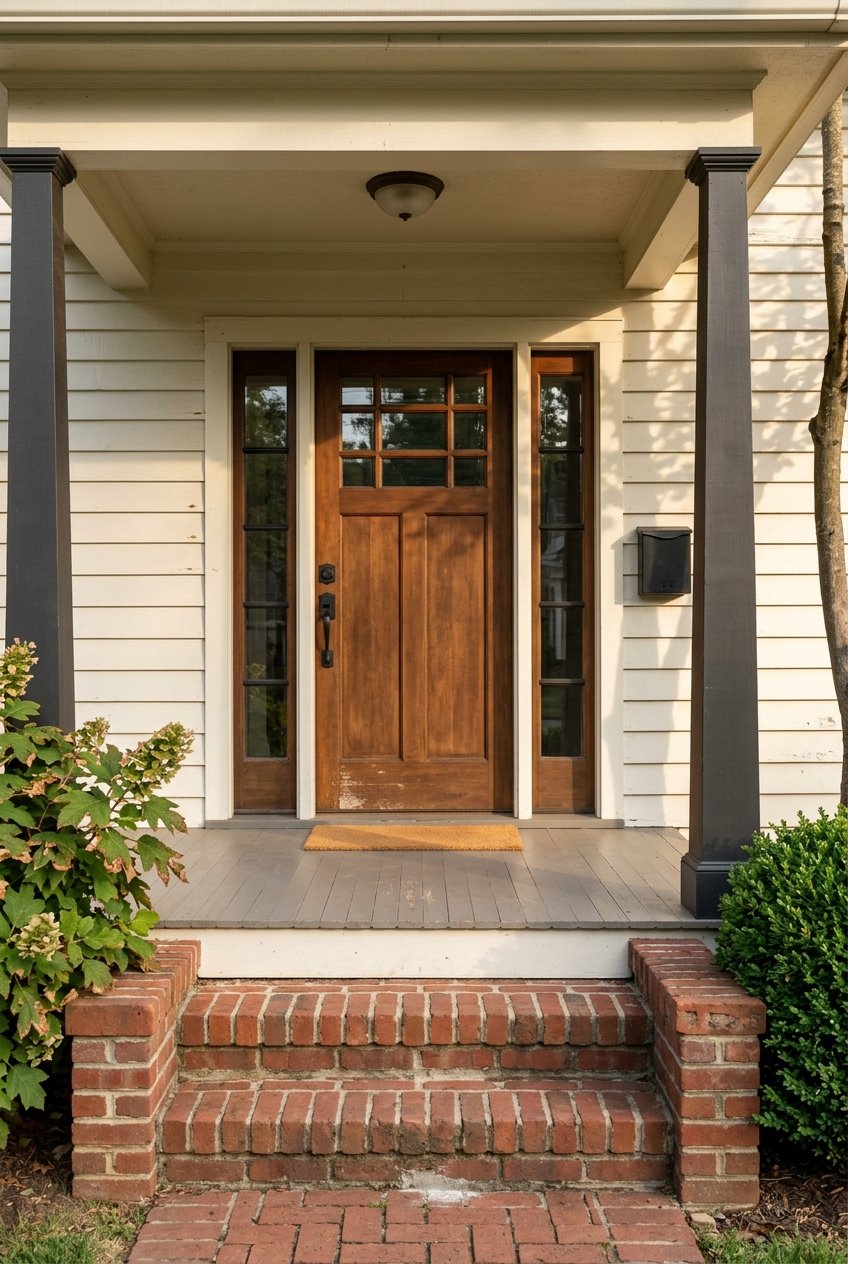
Craftsman Bungalows help bridge the gap between Victorian-era homes and later revival styles. In Harriman, these houses often show low-pitched roofs, exposed rafter tails, brackets under the eaves, tapered porch posts on piers, and multi-light double-hung windows.
For many buyers, these homes feel practical and inviting. They often combine historic charm with layouts and details that can feel easier to live with day to day.
What Buyers Should Check First
A historic home purchase should start with more than a general inspection. In Harriman, you also want to understand how district rules, age-related maintenance, and past renovations may affect your plans.
Here are some smart early questions to ask:
- Is the house located in an H-1 overlay or another historic district?
- Which features appear original, and which are later additions?
- Has the home had roof, foundation, or drainage work?
- Are there certificates of appropriateness or permits for past exterior changes?
- If the home predates 1978, does the seller have lead paint disclosures or testing records?
These questions can help you avoid surprises after closing. They can also shape your repair budget and renovation timeline before you make an offer.
Understand Harriman’s Historic Review Process
If a home is in an H-1 overlay district, exterior work may require extra review. Under the City of Harriman zoning ordinance, no building, development, or improvement project may begin until it follows the Historic Zoning Commission’s rules and receives a certificate of appropriateness, often called a COA.
The practical takeaway is simple. If you are planning to change windows, porches, siding, roofing, or other exterior elements, verify the review process before you set your renovation budget.
The city guidelines explain that owners usually start with the Building Inspector’s office. Minor changes may only need the application form, while larger projects often require plans, drawings, photographs, and other documentation.
The Tennessee Historical Commission also notes that Harriman is a Certified Local Government and that its Historic Zoning Commission oversees the Cumberland Street, Downtown Commercial, and Margrave Drive districts. For buyers, that means district status should be verified early, not after you have already planned a remodel.
Maintenance Priorities For Older Homes
Historic homes reward careful ownership. They also tend to do best when you stay ahead of small issues before they become expensive ones.
Focus on water management
The National Park Service notes that water intrusion is a major concern in older buildings, whether it enters through cracks, overflowing gutters, or poor drainage around the foundation. In a place like Harriman, where some historic homes sit on sloped lots, roof condition, gutters, downspouts, grading, retaining walls, and basement or crawlspace moisture deserve close attention during inspections.
According to NPS guidance on moisture through walls and ground moisture control, keeping gutters clear, extending downspouts away from the foundation, and correcting low spots in the yard are often smart first steps. These are practical issues, but they also help protect historic masonry and wood features.
Repair before replacing
The Secretary of the Interior’s preservation standards emphasize keeping distinctive materials and features whenever possible. If replacement is necessary, the goal is to match the old in composition, design, color, and texture.
For you as a buyer, that means original windows, porch trim, chimneys, masonry, and roof forms should not be dismissed too quickly. In many cases, repair may be the better long-term choice for both appearance and historic integrity.
Plan energy upgrades carefully
Older homes can feel drafty, but a historic property often benefits from a measured approach rather than a quick overhaul. The National Park Service recommends starting with an energy audit and low-impact weatherization steps, such as caulking, weather-stripping, and efficient mechanical systems.
That approach can help you improve comfort while preserving original materials and avoiding unnecessary changes. If you are considering bigger upgrades, it is wise to review how they may affect the home’s historic character and any district requirements.
Be aware of lead paint rules
If the home was built before 1978, lead-based paint is a real possibility. The EPA’s lead paint guidance says sellers must disclose known lead information before a sale, and buyers have up to 10 days to check for lead.
If you plan to repaint or renovate, use lead-safe practices unless testing shows otherwise. This is one of those details that is easy to overlook but important to address early.
Do Historic Tax Credits Apply?
Some buyers assume any historic house comes with renovation tax incentives. In most owner-occupied cases, that is not true.
The Federal Historic Tax Credit offers a 20% credit for certified historic structures used for income-producing purposes. Owner-occupied residences do not qualify, so if you are buying a historic Harriman home as your primary residence, you should not build your budget around receiving that federal credit.
Is A Historic Home Right For You?
A historic home in Harriman can be a great fit if you value architectural detail, a layered sense of place, and the experience of living in a neighborhood with visible history. The tradeoff is that the purchase process usually requires more diligence, and ownership often calls for a more thoughtful maintenance mindset.
If that balance sounds right for you, Harriman offers something special: not just individual houses with character, but a concentrated historic fabric that still feels connected to the city’s past. When you buy with clear expectations, these homes can be deeply rewarding.
If you are exploring historic homes in Harriman or anywhere in Roane County, Tammaro Realty can help you navigate the local market with practical guidance and hands-on support.
FAQs
What makes historic homes in Harriman, TN unique?
- Harriman stands out for its concentrated historic fabric, with districts like Cornstalk Heights, Cumberland Street, and Margrave Drive featuring late-19th-century and early-20th-century architecture in a cohesive setting.
What architectural styles are common in Harriman historic districts?
- Common styles include Queen Anne, Eastlake, Folk Victorian, Colonial Revival, Dutch Colonial Revival, Tudor Revival, Craftsman, and Bungalow homes.
What should buyers inspect first in a Harriman historic home?
- Buyers should closely review roof condition, gutters, drainage, foundation moisture, retaining walls, crawlspace or basement conditions, and the status of any original exterior features.
Do Harriman historic homes require approval for exterior changes?
- Yes, homes in an H-1 overlay or local historic district may require review by the Historic Zoning Commission and a certificate of appropriateness before exterior work begins.
Do owner-occupied historic homes in Harriman qualify for the federal rehab tax credit?
- No, the federal historic tax credit applies to certified historic structures used for income-producing purposes, not owner-occupied primary residences.