You want lake life without the guesswork. If you are eyeing Loudon, Tennessee, you are choosing between two excellent waterways with very different lifestyles and ownership details. This guide shows you how Fort Loudoun and Tellico Lake compare, what to look for with docks and shoreline rules, and the steps to buy with confidence. Let’s dive in.
Loudon’s lake options at a glance
Fort Loudoun Reservoir basics
Fort Loudoun Reservoir sits on the Tennessee River and is known for active boating and fishing. Seasonal water levels typically shift by about 6 vertical feet from summer to winter, which affects dock design, shoreline appearance, and small-boat access in shallow coves. You can review lake use and seasonal patterns on the state’s Fort Loudoun page from the Tennessee Wildlife Resources Agency (TWRA) for helpful context about the reservoir’s character and recreation options. See the TWRA overview for Fort Loudoun Reservoir to understand general conditions and access points: Fort Loudoun Reservoir information.
What that means for you: main-channel or deep-water lots usually allow easier year-round boating, while quiet coves can be peaceful but may run shallower during seasonal drawdown. Always verify water depth for your boat size and confirm that the dock’s pilings and hardware are sized for the local fluctuation.
Tellico Lake and Tellico Village
Tellico Lake is a large tributary reservoir celebrated for its community-driven lifestyle. Tellico Village, a master-planned community on its shore, is a good example of an HOA-centric lake experience. Instead of every home having a private dock, the Village operates multiple marinas with leased slips, kayak storage, and defined rules and fees. If you prefer managed amenities, maintained docks, and a steady community structure, this model can be ideal. Explore how a community marina system works here: Tellico Village boating and marina amenities.
Lakefront property types you will see
Homes and lots on Fort Loudoun
You will find a mix of detached homes, updated cottages, custom new builds, and buildable lake lots. Listings often highlight “main-channel,” “deep water,” or “protected cove,” plus features like a boat lift or boathouse. These details matter for value, long-term use, and your boating plans.
Homes inside Tellico Village
Expect single-family homes, villas, and duplex-style options set within a planned community environment. Most water access is via community marinas with leased slips rather than individual private docks. Fees, rules, and availability are posted by the community so you can compare options with clarity. If turn-key amenities and a social, managed setting are priorities, Tellico Village is a strong fit. Review the current marina and slip information to understand typical offerings and processes: Tellico Village boating and marina amenities.
What water levels mean for your dock
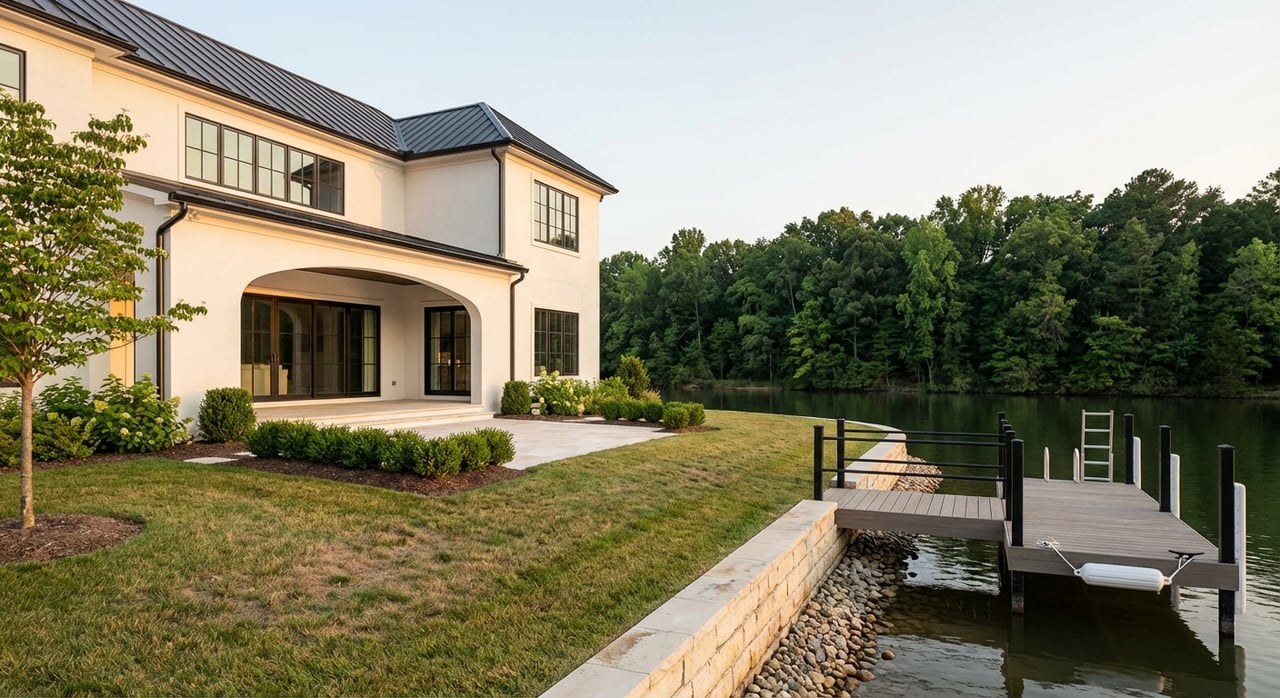
Seasonal pool changes and cove depth can influence when you can launch, the kind of lift you need, and how a dock should be engineered. In deeper or main-channel locations, you usually get more consistent access across the seasons. In narrower coves, ask for historical depth details and photos from different times of year. Also confirm whether dock power and water are available year-round or if utilities are shut off in colder months.
Rules, permits, and shoreline approvals
TVA regulates many structures and uses on its reservoirs and property. In 2016, TVA published guidance under Section 26a clarifying categories of obstructions that may or may not require a formal Section 26a permit. The practical takeaway is simple: never assume a dock is automatically allowed. Verify whether TVA owns or controls the shoreline strip and whether your dock or shoreline work requires a Section 26a permit, separate TVA approval, or a lease. You can review the policy context in the Section 26a guidance here: TVA Section 26a interpretive guidance.
If a listing mentions a “dock permit on file,” request copies of all permits, leases, and recorded easements. Unpermitted improvements can delay closing or require remediation, so documentation matters.
Inspections and site considerations
Foundations and slope
Many lake lots slope toward the water. Expect foundation design, stairs, and retaining walls to be part of the equation. Older cottages may sit lower on the bank, while newer builds often use engineered footings. Your inspection should flag any settling, drainage issues, or structural elements that need reinforcement.
Shoreline stabilization
Rip-rap and seawalls help manage erosion. Their condition affects safety and long-term costs. Ask whether prior shoreline work was permitted and who is responsible for maintenance or replacement. Get contractor estimates if repairs are likely.
Septic and well systems
Some properties are not on municipal utilities. In that case, a septic inspection, confirmation of the permitted design and capacity, and well water testing are essential. Tennessee’s onsite wastewater rules govern permitting and installation for new systems and major repairs. For an overview of statewide septic requirements, use this summary as a starting point: Tennessee onsite septic system guidance.
Flood zones and insurance
Even with elevated foundations, you should confirm the current FEMA flood zone and whether your lender will require flood insurance. An Elevation Certificate helps insurers assess risk and price coverage. It is still a key underwriting document for NFIP and many private carriers. Learn how Elevation Certificates inform modern rating here: Elevation Certificates and Risk Rating 2.0 overview.
HOA, marina, and slip logistics
In HOA or POA neighborhoods, especially Tellico Village, expect clear marina rules, slip fees, and sometimes waitlists. Ask whether slips transfer with the property, whether they are leased annually, and how guest access works. In non-HOA settings around Fort Loudoun, you will see a mix of private, deeded docks, community docks, or nearby marinas. Each model changes who maintains the structure, who pays for repairs, and how predictable your access is.
Key questions to confirm early:
- Do you have a private, deeded dock or a leased slip at a community marina?
- If the shoreline is TVA-controlled, is there a valid permit, approval, or lease for the dock and any shoreline work?
- What are the current slip fees, waitlist policies, and guest-use rules? See a community example here: Tellico Village boating and marina amenities.
Pricing signals and how to read listings
Waterfront and slip-included homes typically trade at a premium compared to non-waterfront homes. You will often see listings emphasize deep water, main-channel exposure, protected cove setting, electric lifts, and proximity to a yacht club or marina. These features reduce friction for boat owners and support higher prices.
Market snapshots from national data providers often differ due to methodology and timing. Some recent reports have shown Loudon area values clustered in the mid-to-upper hundreds of thousands, with waterfront properties selling at meaningful premiums. For precise pricing, rely on recent closed lakefront comps from the local MLS and adjust for water depth, dock rights, and community amenities.
Step-by-step buyer checklist
Use this list to make a clean, confident offer on a lakefront or lake-access home.
- Dock or slip ownership and permits
- Ask for recorded easements or deeds for any private dock, the marina lease for any slip, and copies of all permits or approvals. Confirm transfer terms and expiration dates.
- TVA and shoreline ownership
- If TVA owns or controls the shoreline strip, verify whether a Section 26a permit, separate TVA approval, or a lease is required. Review the policy context here: TVA Section 26a interpretive guidance.
- Dock and seawall inspection
- Hire a specialist to inspect pilings, fasteners, flotation, electrical systems, lifts, anchoring, and seawall integrity. Get repair and replacement estimates in writing.
- Flood risk and Elevation Certificate
- Confirm the FEMA flood zone and request an Elevation Certificate if needed. Use it to estimate flood insurance and lender requirements. For background on how certificates are used, see: Elevation Certificates and Risk Rating 2.0 overview.
- Septic and well confirmation
- If not on municipal service, require a septic inspection, well testing, and documentation of the permitted septic design. Start here for a statewide overview: Tennessee onsite septic system guidance.
- HOA or marina rules and fees
- Obtain full HOA or POA documents: CC&Rs, marina rules, budgets, and reserve studies. Confirm slip transferability and waitlists. For a community example, review: Tellico Village boating and marina amenities.
- Insurance and financing
- Get preliminary quotes for homeowners and flood insurance. Confirm that your lender is comfortable with waterfront properties and that the appraiser understands lakefront valuation.
- Utilities and access at the dock
- Check if dock power and water are year-round, who pays for maintenance and winterization, and where nearby fueling or repair services are located.
- Title, easements, and boundaries
- Have title confirm that dock rights are recorded and that there are no encroachments, unresolved easements, or federal notices affecting shoreline use.
Offer terms that protect you
When you write an offer, include technical contingencies that match lakefront realities. Examples include:
- Dock, boathouse, and seawall inspection contingency, with the right to obtain contractor bids.
- Septic inspection and permit confirmation contingency for non-municipal properties.
- HOA or POA document review and approval contingency for community homes.
- Flood insurance quote and Elevation Certificate review contingency.
- Right to review and approve any required TVA approvals or Section 26a permits affecting docks and shoreline work.
These clauses help you negotiate repairs or credits and reduce costly surprises after closing.
Work with a local, boutique team
Buying on the water involves more moving parts than a typical home purchase. You want an experienced, hands-on guide who knows Loudon’s shorelines, HOA norms, and TVA requirements, and who can coordinate inspections, permits, and insurance while keeping your offer competitive. With more than 30 years of local experience and veteran leadership, our boutique team brings steady, practical guidance from search to close. Ready to explore the best fit for your lake life? Connect with Tammaro Realty for local insight and a clear game plan.
FAQs
What is the key difference between Fort Loudoun and Tellico Lake for buyers?
- Fort Loudoun offers main-channel Tennessee River boating with seasonal level changes, while Tellico Lake often provides an HOA-centric lifestyle with community marinas and leased slips.
How do I confirm dock ownership and TVA permit needs in Loudon, TN?
- Ask for recorded dock easements or marina leases and verify TVA shoreline control, then confirm whether Section 26a permits, approvals, or leases apply using TVA’s guidance: TVA Section 26a interpretive guidance.
Do Loudon lake homes require flood insurance, and how is it determined?
- Lenders use FEMA flood zones and Elevation Certificates to decide if insurance is required and to price coverage, so request or order a current certificate early in the process.
How do HOA marinas and slip waitlists work in Tellico Village?
- Slips are typically leased with posted fees, transfer rules, and waitlists managed by the community; review current details directly from the Village: Tellico Village boating and marina amenities.
What inspections are most important for a Loudon lakefront home?
- Specialized dock and seawall inspections, septic and well checks if applicable, foundation and shoreline stabilization reviews, and flood zone verification with an Elevation Certificate.
When do water levels affect boating access on Fort Loudoun Reservoir?
- Seasonal drawdowns of roughly a few feet between summer and winter can impact shallow coves, so confirm year-round depth for your boat size using local knowledge and the Fort Loudoun Reservoir overview.