What if the right list price could add thousands to your bottom line and cut weeks off your timeline? If you are thinking about selling in Clinton in the next year, getting price right from day one matters. You want a number that attracts strong buyers without leaving money on the table. In this guide, you will see the latest Clinton data, what actually moves price, and a simple plan to launch and adjust with confidence. Let’s dive in.
Clinton market snapshot in early 2026
Price trends look steady to mixed depending on what you measure and when you measure it. Here is a quick read on recent stats with dates for context:
- Median sale price in Clinton was about $292,000 for sales that closed in January 2026 (Redfin).
- Median listing price in Anderson County was about $359,900 as of October 2025 (Realtor.com listing view).
- Zillow’s Home Value Index, which smooths values, shows a typical home value near $317,942 through December 31, 2025.
- Price per square foot has been near $206 to $208 in recent reports.
- Market pacing has hovered around 61 to 68 days on market in late 2025 through January 2026.
Different sources report different numbers because they use different models and windows. Zillow’s ZHVI is a smoothed index, Redfin centers on closed sales, and Realtor.com emphasizes active listings. In a smaller market like Clinton, a few high or low sales can shift medians. When you quote any number, always include the date and whether it is a listing or a closed sale.
Buyer demand in our corridor is supported by large regional employers. Oak Ridge National Laboratory and the broader DOE and Y‑12 ecosystem continue to shape commuting patterns and relocation interest into Clinton and nearby towns. You can learn more about ORNL’s role in the region in their news archive at the Oak Ridge National Laboratory site.
Mortgage affordability also matters. The national 30‑year fixed average was about 5.98% in the week ending February 26, 2026, according to Freddie Mac’s Primary Mortgage Market Survey. If rates continue to ease, more buyers may regain purchasing power this spring.
The five inputs that move your price
Comparable sales are your anchor
Recent, truly comparable closed sales in your micro‑market carry the most weight. The goal is to use 3 to 6 strong sold comps from the last 30 to 90 days when possible, and add 1 to 3 active or pending listings to see your live competition. When activity is thin, you may need to reach back up to six months and adjust for market movement. Appraisal practice supports this approach and calls for clear, documented adjustments for differences like square footage, beds, baths, lot size, garage, and condition. See the Appraisal Institute’s guidance on selection and adjustments for more detail in their guide notes.
Condition and updates matter more in 2026
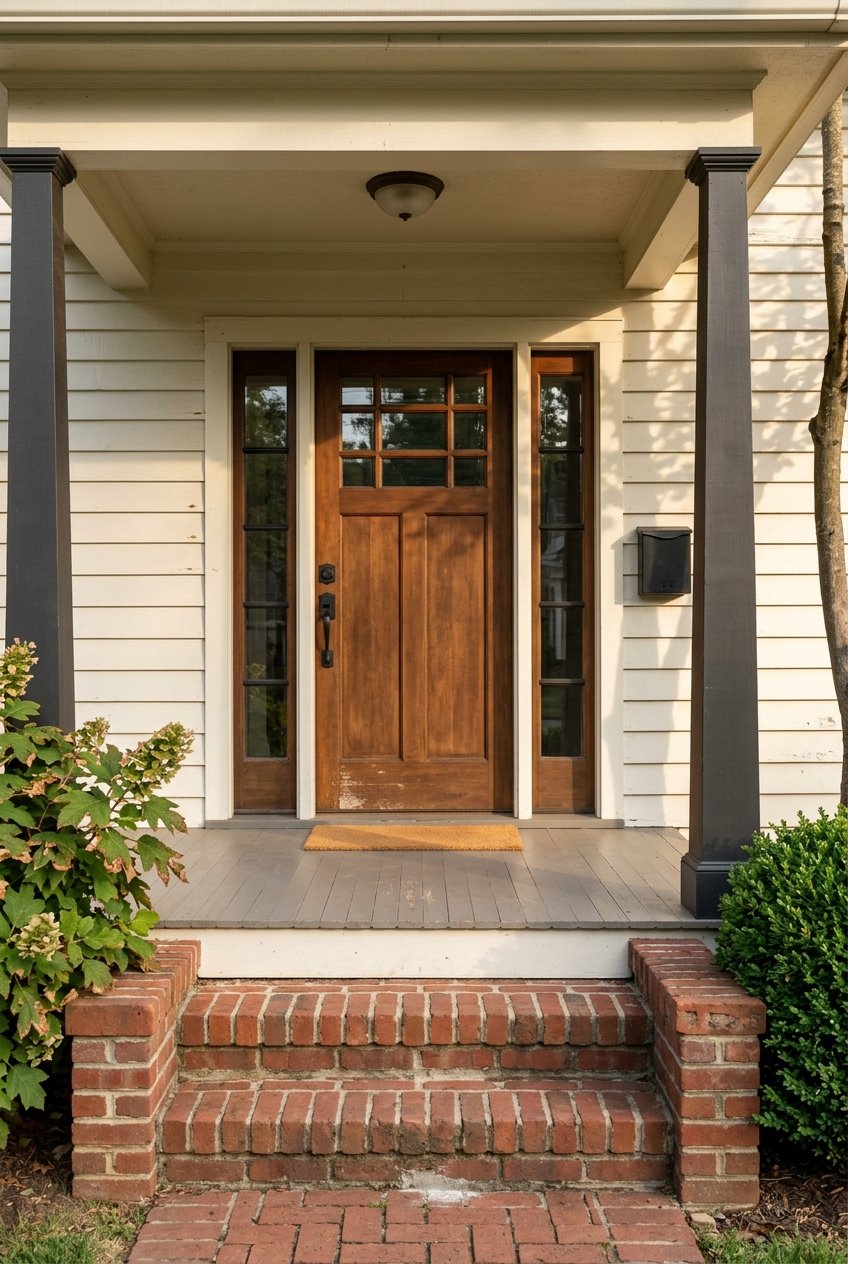
Buyers are payment‑focused. Clean, move‑in ready homes tend to win more attention than cosmetically dated ones. You can often get outsized results from small, targeted projects like fresh neutral paint, deep cleaning, tidy landscaping, and a new front door or garage door. Industry “Cost vs. Value” analysis shows modest, well‑scoped upgrades typically return more at resale than large luxury overhauls, but ROI varies by neighborhood and scope. Review similar local comps and consider the national perspective in this Cost vs. Value summary.
Lot, location, and micro‑market
Within Clinton, micro‑markets and named areas sell at different price bands. Homes near downtown or along the Clinch River, or within certain attendance zones, can sell at a premium. Busy road frontage, steep or irregular lots, or limited parking can lower value. Always favor neighborhood‑level sold comps over a citywide median when setting price. Keep language neutral and focus on data.
Timing, inventory, and buyer sensitivity
The first two weeks on market are critical. If showings and online engagement lag your price band, the market is telling you something. Track days on market, price per square foot, and sale‑to‑list ratios for homes most like yours. In Clinton, recent data shows a mixed picture across sources, so be clear about dates and whether you are citing listings or closed sales.
Negotiation variables and concessions
In 2025, sellers across many markets offered concessions more often. Think closing‑cost credits, limited repairs, or mortgage rate buydowns. That national trend was widely reported and can carry into 2026 in certain segments. For context, see this overview of seller concessions. Ask your agent to show current concession patterns for your price tier in Clinton.
Build a defensible list price
A clear, defensible number builds buyer confidence and reduces renegotiation risk. Here is a practical approach that aligns with appraisal and MLS best practices.
Your CMA, done right
- Pull 3 to 6 closed comps within 30 to 90 days when possible, in the same neighborhood or sub‑market.
- Add 1 to 3 actives or pendings to understand your competition.
- Include at least one expired or withdrawn listing to see where the market said “no.”
- Adjust each comp for square footage, beds, baths, finished basement, lot, garage, and condition.
- Convert results to a clear price per square foot band, then test your target price within that band.
- Present a conservative price range with low, target, and high cases, plus a review window and performance targets.
The Appraisal Institute underscores the importance of good comp selection and documented adjustments. You can read more in their guide notes. NAR’s consumer guide also outlines what goes into a solid pricing plan in plain language. See their overview of pricing a home.
Pick your listing strategy
Price to market
For most Clinton listings, a competitive market price is the best path. It signals value, draws early traffic, and increases your odds of full‑price or near full‑price offers. NAR and broker guidance repeatedly show that getting price right at launch matters more than “testing the market.” Review NAR’s consumer guide for what to expect.
Strategic underpricing
Undercutting slightly can work for highly desirable entry‑level homes when inventory is tight. The goal is to spark multiple offers and improve terms. The risk is leaving money on the table if demand is not as strong as you expect. Use this move only when nearby comps and current activity support it. For a concise summary of pricing tactics, see this strategy overview.
Aspirational pricing
Pricing above the market can be appropriate for one‑of‑a‑kind properties with few true comps. Expect longer days on market and a higher chance of reductions. If you choose this path, anchor your price with data and use careful marketing language.
Launch smart and watch weeks 1 to 2
The first two weeks are your golden window. Listings get the most online views and in‑person interest early. If traffic is soft, act quickly. Industry analysis suggests that waiting too long to adjust often results in a lower final price. For a helpful perspective on timing reductions, read this article on when to adjust price.
Set targets before you list. Many agents use rules of thumb, for example: if you see 10 to 12 showings with no offers, or 2 to 3 weeks with very low traffic, consider a modest price change or a marketing pivot. Use larger cuts only if clear buyer feedback and market data support them.
Low‑cost fixes that pay off in Clinton
- Deep clean, declutter, and stage to open up rooms in photos and in person.
- Paint in light, neutral tones and refresh trim.
- Power‑wash, mulch, and add simple, healthy plants.
- Handle obvious repairs that can spook buyers or appraisers, like roof leaks or HVAC service.
- Consider minor kitchen or bath refreshes only if the numbers make sense for your price band.
NAR’s pricing guidance and industry “Cost vs. Value” findings back a focus on curb appeal and small, high‑impact updates. See NAR’s consumer guide to pricing and this Cost vs. Value summary to help you prioritize.
How a local broker sharpens price
A strong local broker pairs hard data with on‑the‑ground insight.
- Tools we use: MLS for authoritative sold prices and live actives, RPR for heat maps and neighborhood trends, public records for tax and lot data, and consumer sites to understand buyer search filters. See how agents put RPR to work in this NAR feature.
- Signals we watch: weekly showing traffic, detailed buyer and agent feedback, offer timing and financing type, and nearby new listings or price changes. NAR also stresses steady communication about market signals and any needed changes, which you can read about in their guide to preventing delistings.
What your next 60 days can look like
- Weeks 0 to 2, pre‑list: complete your CMA, set targets and a review window, schedule professional photos and video, complete small fixes, and finalize your launch price and strategy.
- Week 1, launch: track daily online views and showing requests. Confirm buyers are finding you in the right price band and filters.
- Week 2: compare your showings and feedback to similar actives. If you have good traffic and strong feedback, hold steady. If traffic is soft, consider a small adjustment or a marketing tweak.
- Weeks 3 to 4: if you have 10 to 12 showings with no offers, tighten the price or sweeten terms. Set a clear next review date.
- Weeks 5 to 8: if comps shift or nearby listings reduce, respond quickly. Consider incentives or a more decisive price move if your targets are not met.
Ready to price with confidence?
You deserve a calm, data‑driven plan and a steady hand from list to close. With principal‑led guidance, local market depth, and full MLS exposure, we help you set the right price and move forward with clarity. When you are ready, reach out to Tammaro Realty to get your free home valuation and local market guidance.
FAQs
What is a fair list price for my Clinton home in 2026?
- Start with 3 to 6 recent sold comps in your neighborhood, adjust for differences, and set a target within a clear price range that you will review after two weeks of market feedback.
How fast are homes selling in Clinton right now?
- Recent reports show roughly 61 to 68 median days on market depending on the source and date; your micro‑market and price tier will drive the actual timeline.
How do mortgage rates affect my asking price?
- Lower rates can boost buyer budgets and traffic, which supports firmer pricing; track weekly trends like Freddie Mac’s PMMS to gauge buyer power in real time.
Should I fix issues or price lower if my home is dated?
- Tackle small, high‑impact updates and obvious repairs first; if larger projects do not pencil out, price to condition using recent comps with similar finishes.
Will I need to offer concessions in Clinton?
- Concessions like closing‑cost credits or minor repairs were more common nationally in 2025; your agent can show current local frequency by price band before you list.
How do you price a unique or one‑of‑a‑kind property?
- Use the closest available comps, widen the search window, and weigh land, views, upgrades, and scarcity; expect a longer marketing window and plan review milestones early.