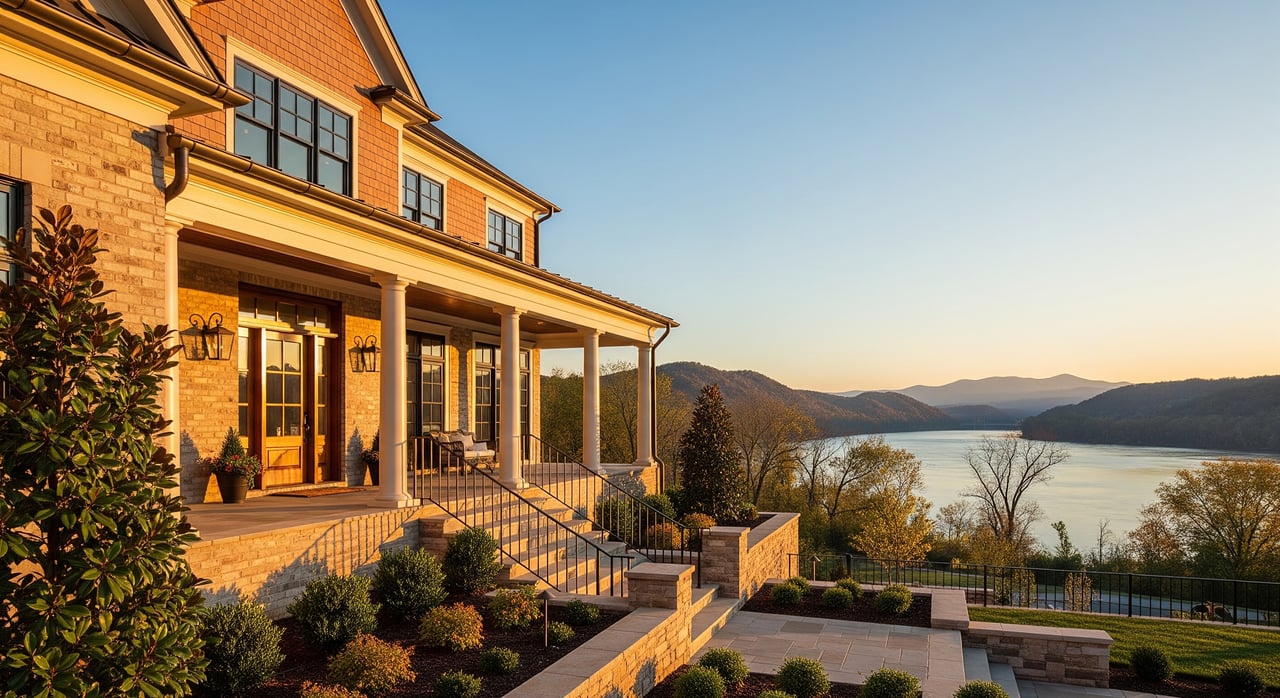
Thinking about relocating to Knoxville and wondering where to start? You are not alone. Knoxville and Knox County offer a wide mix of neighborhoods, price points and home styles, which can feel exciting and overwhelming at the same time. In this guide, you will learn how the local market works, what areas fit different lifestyles, how long a purchase typically takes, which inspections matter most and practical steps to make your move smoother. Let’s dive in.
Knoxville market at a glance
Knoxville is generally more affordable than many U.S. metros, with lower overall housing costs and property taxes compared with national averages. You will find everything from downtown lofts to suburban new builds and wooded rural parcels on the metro fringe. This variety gives you options whether you want walkability, a traditional neighborhood, or more land and privacy.
Prices rose quickly during 2020 to 2022, then moderated in 2023 to 2024 as mortgage rates increased. Some segments still move fast, especially condos and entry-level homes in desirable areas. Newer subdivisions often have more supply but can carry premiums. For the latest numbers, check local market reports through the Knoxville Area Association of Realtors and MLS sources.
Major employers shape demand and commute patterns. The University of Tennessee, regional healthcare systems, Oak Ridge National Laboratory and Y-12, TVA, and local manufacturing and distribution hubs draw students, young professionals, families and long-term employees to the area. That steady base supports a healthy range of housing types and budgets.
Match neighborhoods to your lifestyle
Downtown, Old City and Fort Sanders
If you want a short commute to UT or downtown employers, this core area offers loft condos, historic brick townhomes and newer infill condos. Expect per-square-foot premiums and smaller footprints. Many buyers here prioritize walkability, dining and nightlife.
North Knoxville: Fountain City, Inskip, Old North
North Knoxville blends early-20th-century bungalows, Victorians and mid-century homes with some new infill. You get established streets and proximity to downtown at price points that can be more attainable than parts of West Knoxville. This area attracts first-time buyers, families and investors restoring historic homes.
West Knoxville: Bearden, Sequoyah Hills, West Hills
West Knoxville features mid-century ranches and larger traditional homes on established lots. You have convenient access to I-40 and I-75 and well-developed retail corridors. Single-family homes here often price above the city average, reflecting lot size and location.
Farragut and Hardin Valley
These western suburbs offer newer single-family homes, planned communities and larger lots. Many buyers focus on school assignments in Farragut and the convenience to commuting routes. Prices often trend above the metro median due to newer construction and amenities.
South Knoxville
South Knoxville has a mix of older cottages, bungalows, newer infill and river or wooded properties. Outdoor access is a standout with proximity to the Urban Wilderness and Ijams. Buyers often compare this area with parts of West Knoxville when looking for value.
North suburbs and exurban areas: Halls, Powell, Karns, Lenoir City, Alcoa, Maryville
If you want more space at lower price points, look north and west into these communities. You will find affordable single-family homes, some larger yards and a range of rural options. New subdivisions can still be competitively priced compared with closer-in neighborhoods.
Rural properties and lakes
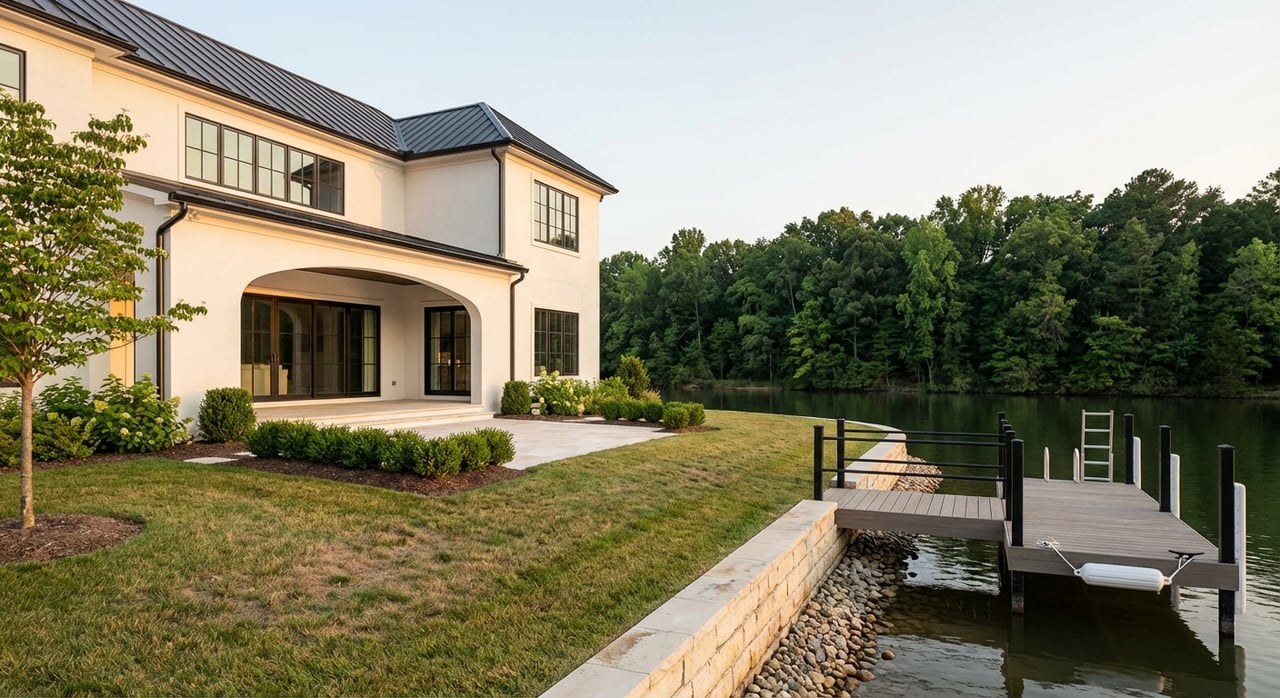
East and west of the city, you will find farms, cabins, larger wooded lots and lakefront options on Fort Loudoun and Cherokee Lakes. Waterfront properties often command premiums. For rural parcels, plan ahead for well and septic considerations, service availability and longer commutes.
Commute, transit and daily logistics
Interstates I-40 and I-75 converge through Knoxville, with I-640 serving as a northern bypass and Pellissippi Parkway connecting to Oak Ridge. Many in-city commutes run 15 to 30 minutes. From suburbs like Farragut, Hardin Valley or Lenoir City, 25 to 45 minutes is common depending on traffic and destination.
Peak congestion tends to hit the I-40 or I-75 corridors near downtown and routes into hospital and UT zones during rush hours. Knoxville Area Transit operates bus service across the city, with the most frequent routes in central corridors. Bike and pedestrian improvements are strongest near downtown and UT, while many suburbs remain car-dependent for errands.
McGhee Tyson Airport near Alcoa provides regional and national service, roughly 20 to 30 minutes from central Knoxville. Downtown and UT areas rely on metered and permit parking, while most suburban neighborhoods offer off-street options.
How a Knoxville purchase works
From an accepted offer to closing, plan for 30 to 45 days with conventional or VA financing. Cash buyers sometimes close in 15 to 21 days. Extensions are possible if both sides agree.
Earnest money is customary and varies with price and competitiveness. Amounts often range from 1 to 3 percent of the purchase price and are held in escrow or by the title company. Your offer will typically include inspection, financing and appraisal contingencies, plus a title review.
Common timeframes include 7 to 10 days for inspections, 21 to 30 days for financing, and appraisal timing tied to your loan. Closings are usually handled by a title company or closing attorney. In more competitive segments, you may include a pre-approval letter, strong earnest money and shorter inspection periods to stand out. In softer segments, you may negotiate repairs, credits or seller concessions.
Inspections and East Tennessee risks
Plan a standard home inspection covering structural systems, electrical, plumbing and HVAC. Given the local climate, a wood-destroying organism or termite inspection is common and often required by lenders. Radon testing is advisable, especially if you plan to stay long term.
For rural properties on well and septic, request specialized inspections and recent service records. Roof age and drainage matter in high-rainfall events, so review gutters, downspouts and any past water issues. Many buyers also check flood exposure using FEMA flood maps. Even homes outside mapped floodplains can have localized drainage challenges.
Financing and assistance options
If you are a first-time buyer or need help with upfront costs, Tennessee Housing Development Agency programs may offer mortgages and down payment assistance through participating lenders. Eligible properties in rural-designated areas can qualify for USDA loans. FHA is an option for buyers who meet program criteria.
Veterans and active-duty households often use VA loans. Local lenders and agents familiar with VA appraisals and VA Minimum Property Requirements can help keep the process smooth. Ask your lender to compare interest rates, fees and down payment assistance to find your best fit.
If your target home has a homeowners association, request HOA documents early in due diligence. Review covenants, architectural rules, monthly fees and any planned assessments so there are no surprises.
Steps for relocation buyers
Before you start
- Get pre-approved with a lender that understands Knoxville and, if applicable, VA loans.
- Define must-haves: school zone priorities, commute limits, lot size, new versus historic, HOA tolerance and access to parks or UT.
- Shortlist neighborhoods to visit at your typical commute times. Review local crime data, school boundaries and amenities.
- Choose a local agent experienced with relocation and your target neighborhoods.
During your search
Plan a scouting trip to walk areas and tour homes. If remote, schedule live video tours and request detailed neighborhood walkthroughs.
Line up inspectors early, especially for specialty items like septic, wells or WDO.
Coordinate moving logistics: gather quotes, consider storage if dates do not align and plan utility transfers.
Closing and after
- Secure homeowners insurance and review title documents early.
- Do a final walk-through 24 to 48 hours before closing.
- Set up utilities, update your voter registration and driver’s license, and complete school enrollment steps.
Tips for remote and military moves
If you are buying from out of state, request live video tours that include street views, driveway slope, traffic noise and cell coverage checks. Ask for high-resolution photos of systems tags, roof and crawl spaces. Verify commute times at rush hour and confirm service availability for internet, water and sewer.
Active-duty households should understand Servicemembers Civil Relief Act protections and ask about remote or extended closing options when orders change. For VA loans, work with a lender and agent who routinely handle VA appraisals and entitlement questions so your timeline stays on track.
Ready to explore Knoxville with a local guide?
You deserve a clear plan, steady communication and local insight from the first call to the final walkthrough. As a principal-led boutique brokerage serving Knoxville and the broader East Tennessee corridor, our team brings decades of regional experience, veteran leadership and hands-on service to every move. If you are relocating for UT, healthcare, Oak Ridge, TVA or a new opportunity, we will help you compare neighborhoods, align timelines and navigate inspections and financing with confidence. Start your move with Tammaro Realty.
FAQs
What makes Knoxville relatively affordable compared to other metros?
- Tennessee housing costs and property taxes tend to be below national metro averages, though affordability varies by neighborhood and home type.
Which Knoxville neighborhoods fit families, professionals or downsizers?
- Downtown, Old City and Fort Sanders suit shorter commutes and walkability; North and South Knoxville offer value near the core; West Knoxville and Farragut or Hardin Valley provide established or newer suburban options; north and exurban areas like Halls and Powell offer more space at lower price points.
How long does a typical Knoxville home purchase take?
- Most financed purchases take 30 to 45 days from contract to close. Cash deals can be faster, often 15 to 21 days, if both parties are ready.
What inspections are most important in East Tennessee?
- A standard home inspection plus WDO or termite, radon, roof and drainage review, and well or septic inspections where applicable are common priorities.
How are commute times to UT or downtown?
- Many in-city commutes are 15 to 30 minutes, while suburban drives from areas like Farragut or Hardin Valley often run 25 to 45 minutes depending on traffic and destination.
Where can I check if a home is in a flood zone?
- Review FEMA flood maps and ask your inspector or insurer about localized drainage risks even outside mapped floodplains.
Are there programs for down payment help in Tennessee?
- THDA offers mortgage and down payment assistance through participating lenders, and some buyers may qualify for USDA, FHA or lender-specific first-time buyer options.
What should military and veteran buyers know about using a VA loan?
- VA loans are common locally, and working with a lender and agent familiar with VA appraisals and Minimum Property Requirements can help keep timelines and property standards aligned.
How can I do a virtual home search if I cannot visit?
- Ask your agent for live video tours, detailed inspector reports, neighborhood and commute-time walkthroughs, plus confirmations on utilities, internet options and HOA rules.