Thinking about a move to Knoxville? You are not alone. This East Tennessee city keeps drawing new residents with its mix of urban energy, outdoor access, and everyday convenience, but living here also means navigating a housing market that has grown tighter as demand rises. If you want a clear picture of what daily life really feels like in Knoxville, this guide will walk you through housing, commuting, downtown life, and the city’s outdoor appeal. Let’s dive in.
Knoxville at a glance
Knoxville is a growing city with a strong regional identity. The U.S. Census Bureau estimated the population at 202,021 on July 1, 2025, up from 190,740 at the 2020 census. That steady growth helps explain why so many people are paying closer attention to the area.
The city also plays several roles at once. Knoxville describes itself as a regional center for economy, culture, and history, and the University of Tennessee adds another layer of activity and visibility. You get a city that feels active and established without reading like an oversized metro.
For everyday life, the numbers feel practical and approachable. The city’s mean travel time to work is 20.2 minutes, median household income is $54,039, and median gross rent is $1,191. Those figures help frame Knoxville as a place where many residents can still keep commutes manageable while enjoying the benefits of a mid-size city.
Housing in Knoxville
Knoxville’s housing market is best understood as varied and competitive. Current Census data shows an owner-occupied housing rate of 46.6%, a median value of owner-occupied homes at $239,700, and a median gross rent of $1,191. That means you will find both ownership and rental options, but availability can be tight.
The city’s 2024 housing strategy reinforces that point. Knoxville had 95,106 housing units in 2022, with 55.2% renter-occupied and 44.8% owner-occupied. The same strategy notes that 97.3% of owner units were occupied and 94.6% of rental units were occupied, which points to a market with limited slack.
New construction has leaned heavily toward apartments. In 2022, 1,104 of 1,320 new housing units were apartments, according to the city’s housing strategy. That trend helps explain why some parts of Knoxville feel like they are adding density and new multifamily options faster than others.
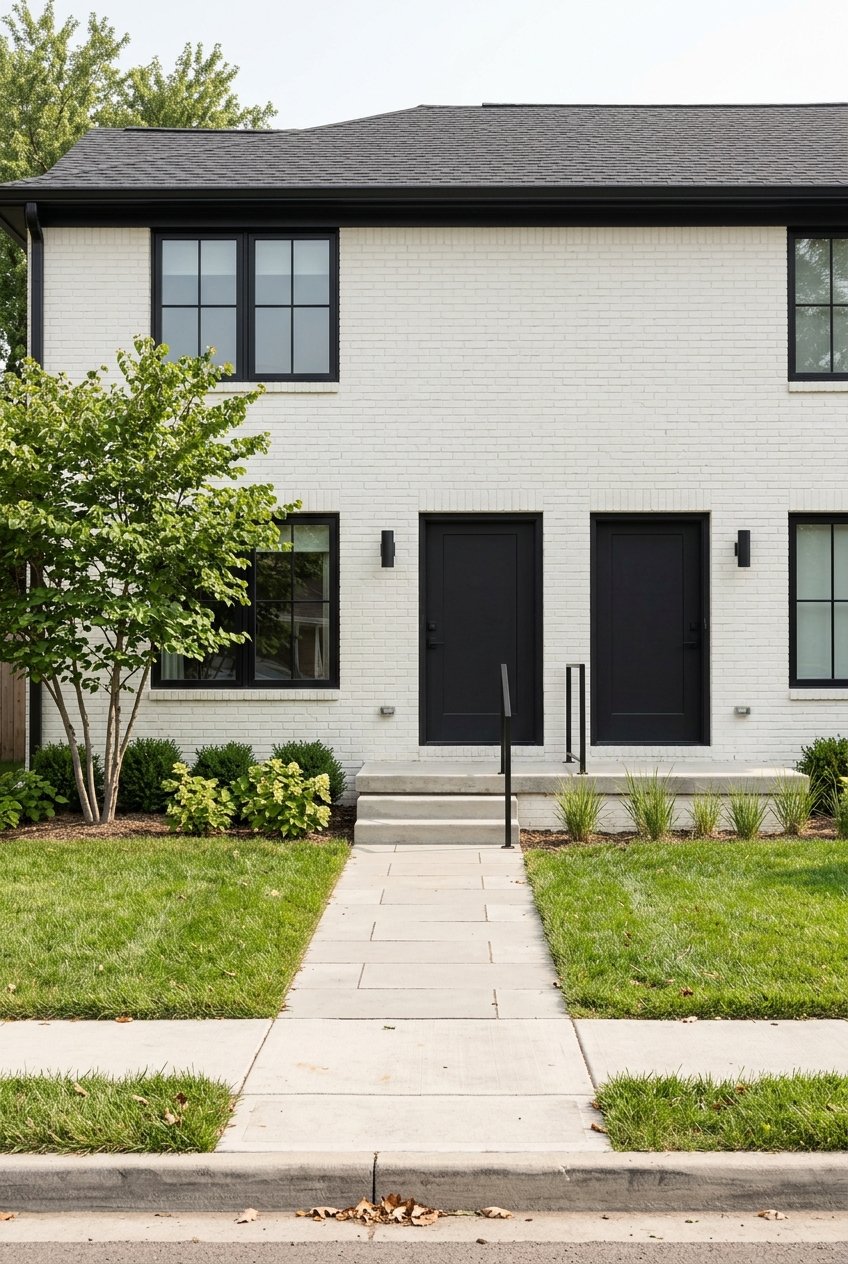
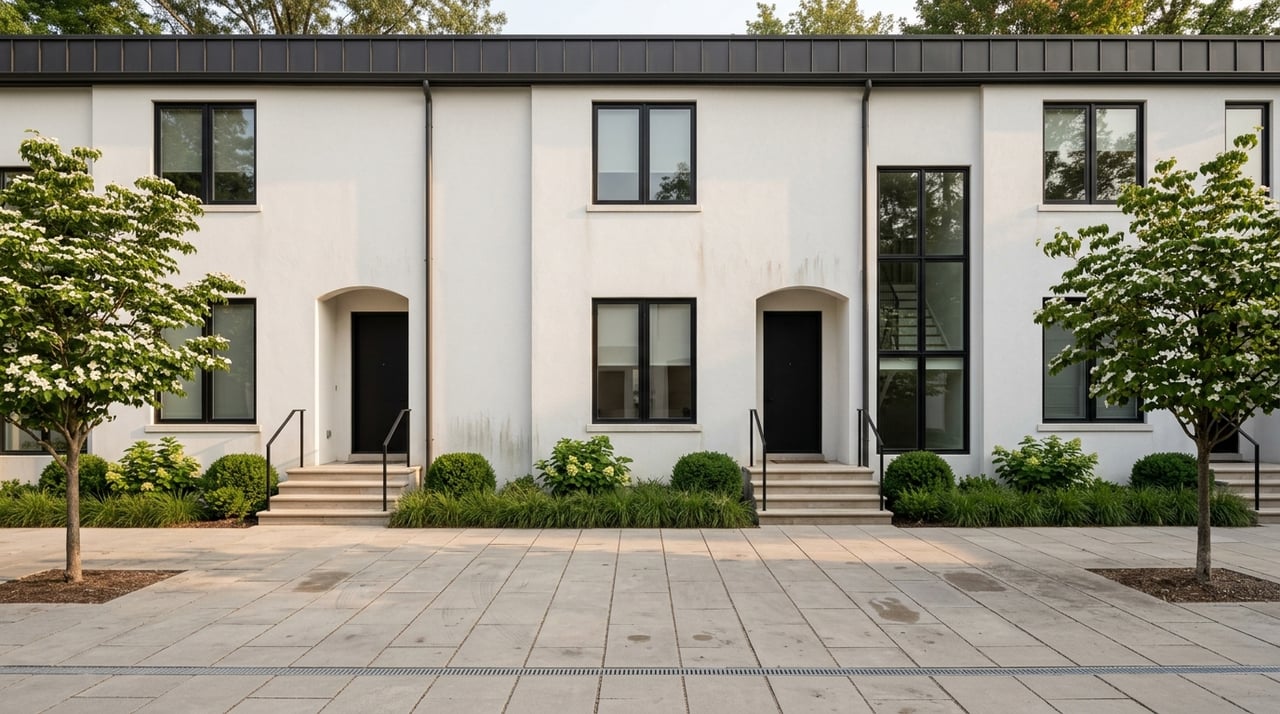
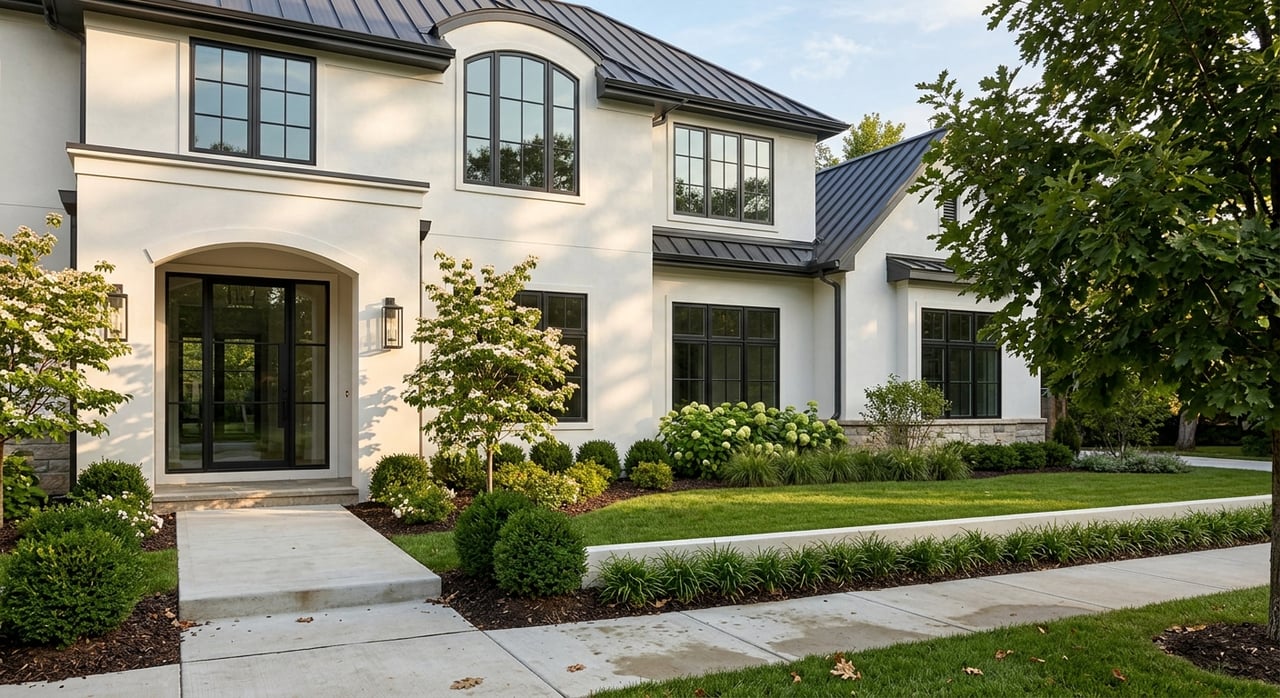
At the same time, Knoxville is working to broaden its housing stock. The city’s missing-middle housing program focuses on duplexes, triplexes, fourplexes, townhouses, and small multiplexes. For you as a buyer or renter, that supports the idea that Knoxville is not one-note. Depending on where you look, you may see older houses, infill apartments, townhome-style options, and newer multifamily communities existing side by side.
What neighborhoods feel like
Knoxville does not have a single housing pattern or lifestyle. Some areas feel more rooted in older homes and established streetscapes, while others show more recent apartment growth or mixed housing types. That variety can be a real plus if you want choices instead of a one-size-fits-all market.
Downtown living brings a different rhythm than other parts of the city. If you want closer access to restaurants, events, and walkable destinations, central Knoxville may appeal to you. If you prefer a setting with a different housing mix, you can often find that as you move beyond the core.
What matters most is matching your priorities to the part of Knoxville that fits them best. Some buyers focus on commute times or housing style, while others care more about trail access, downtown energy, or long-term property potential. That is where local guidance can make a real difference.
Getting around Knoxville
For many residents, Knoxville still functions like a car-oriented city. That is often the simplest way to handle work, errands, and day-to-day routines. The average commute time of 20.2 minutes helps support the idea that getting around can be relatively manageable compared with larger metros.
That said, transit is a real part of city life here. Knoxville Area Transit serves more than three million passengers annually and operates more than 20 fixed routes, along with downtown and university trolleys, paratransit service, bike racks, and a mobile app. If you want alternatives to driving, those tools are available.
Downtown also offers practical parking options that can make visits easier. The city says public garages are free on weekends, most garages are free in the evenings, and on-street parking uses ParkMobile. If you spend time downtown for dining, events, or errands, those details can make central-city access feel more user-friendly.
Outdoor life is a major perk
One of Knoxville’s biggest strengths is how easy it is to spend time outdoors. The city has more than 125 miles of paved greenways and natural trails that connect neighborhoods, parks, and historic sites. That kind of network can make outdoor time feel like part of your weekly routine, not just an occasional weekend plan.
The Urban Wilderness adds even more to that lifestyle. The city describes it as an in-city adventure area with over 50 miles of trails and greenways, along with hiking, biking, climbing, paddling, lakes, parks, and a wildlife area. For many people, that is a standout quality-of-life feature.
Knoxville also benefits from its regional location. The city describes itself as a gateway to the Smokies, and Great Smoky Mountains National Park remains America’s most visited national park. In practical terms, that means you can have a weekday routine in a growing city and still keep mountain getaways within easy reach.
Downtown culture and everyday fun
Knoxville offers more than scenery. The city says it has 20 museums, numerous performing arts venues, and historic neighborhoods, which gives residents a range of ways to spend free time. The University of Tennessee also helps shape the local energy through athletics, arts, clubs, events, and cultural programming.
If you want one place that captures Knoxville’s social feel, Market Square is a strong example. Visit Knoxville describes it as one of the city’s most popular places to shop, work, play, eat, drink, and live since the 1860s. It also hosts outdoor concerts, movies, Shakespeare on the Square, restaurants, breweries, and seasonal market activity.
That matters because lifestyle is often built on repeat experiences. A city feels livable when you have familiar places to meet friends, run errands, attend events, or simply walk around. In Knoxville, downtown helps provide that rhythm.
The tradeoff to understand
Knoxville’s appeal is clear, but it comes with competition. Population growth, high occupancy levels, and the city’s ongoing housing initiatives all point to a market that is adapting to rising demand. If you are thinking about moving here, it helps to be realistic that finding the right fit may take planning and quick decision-making.
That does not mean the city lacks opportunity. It means you are looking at a place many people want to live, and that demand shapes both the housing search and the pace of the market. For buyers, sellers, and relocating households, good local information can help you move with more confidence.
Is Knoxville a good fit for you?
Knoxville may be a strong fit if you want a mid-size city with a lively downtown, manageable commute times, and excellent access to trails and regional outdoor destinations. It can also appeal to people who like having a mix of housing types rather than one dominant style. The city feels active, practical, and connected to the broader East Tennessee lifestyle.
If you are considering a move, it helps to think beyond price alone. Consider how you want to spend your weekends, what kind of daily commute works for you, and whether you want to be closer to downtown activity or a different housing setting. Those choices will shape your experience more than any single headline about the market.
When you want help sorting through Knoxville’s neighborhoods, housing options, or relocation questions, working with a local team can save time and reduce stress. For personalized guidance across Knoxville and the broader East Tennessee corridor, connect with Tammaro Realty.
FAQs
What is daily life like in Knoxville, TN?
- Daily life in Knoxville blends mid-size city convenience with strong outdoor access, a growing downtown, and an average commute time of 20.2 minutes.
What is the Knoxville, TN housing market like?
- Knoxville’s housing market is varied but tight, with high occupancy rates, a mix of owner-occupied and renter-occupied homes, and continued efforts to add more housing types.
Is Knoxville, TN good for outdoor activities?
- Yes. Knoxville has more than 125 miles of greenways and trails, plus the Urban Wilderness with over 50 miles of additional trails and outdoor recreation options.
Can you get around Knoxville without driving?
- You can use Knoxville Area Transit, which offers more than 20 fixed routes, trolleys, paratransit service, bike racks, and a mobile app, though many residents still rely on cars.
What makes downtown Knoxville appealing?
- Downtown Knoxville offers museums, performing arts venues, practical parking options, and active gathering spots like Market Square with events, dining, and seasonal activities.